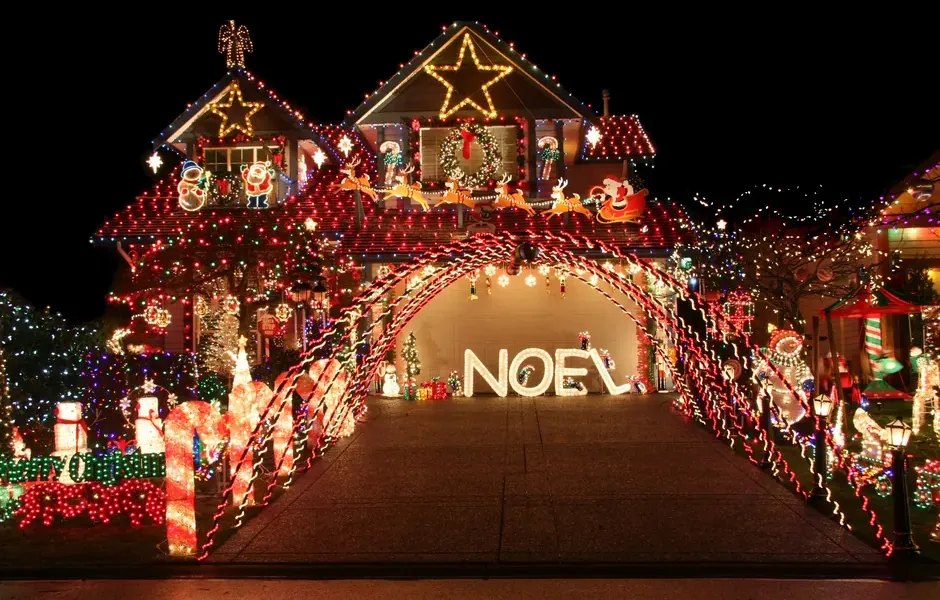
Our crew installs holiday lights across north Atlanta every season. It is the strangest business we run: eleven months of nothing, then six weeks where the phone will not stop. Played correctly, those six weeks can out-earn a full quarter of regular service work.
This guide covers the money, the materials, the calendar, and the ladder discipline that keeps you out of the emergency room statistics that spike every November.
How the season actually works
The entire business happens on a compressed calendar, and the calendar is the strategy:
- September to mid-October: Selling season. Quotes, deposits, and route planning. The operators who wait until November to market are fighting over leftovers.
- Late October to Thanksgiving: Install sprint. This is where the year’s revenue gets earned, six days a week.
- December: Service calls (a section goes dark, a timer fails) and late stragglers at premium prices.
- January: Takedown, which you sold as part of the package, and storage.
One crew working efficiently can install 2 to 4 residential jobs a day at peak. Multiply that by typical tickets below and you will understand why seasonal operators guard their route density obsessively.
What jobs pay
Holiday lighting is priced per linear foot of lit line, with the market rate covering product, install, takedown, and in-season service. Typical residential pricing in our market:
| Job profile | Typical range |
|---|---|
| Rooflines only, single story | $500 to $900 |
| Rooflines, two story | $800 to $1,500 |
| Rooflines plus trees and bushes | $1,200 to $2,500 |
| Large homes, full design | $2,500 and up |
Structural rules that make the season profitable:
- Lease the display, do not sell strings. The professional model: the customer pays for a lit house; you own or supply commercial-grade product, and takedown plus storage is built into the price. That turns season one customers into season two renewals with near-zero acquisition cost.
- Renewals are the whole business. A 70 percent renewal rate means year three is mostly route-driving, not selling. Treat the first season’s service quality as marketing for the next five.
- Deposits at booking. Product gets ordered in October; the deposit funds it and filters the tire-kickers.
Startup costs
| Item | Budget | Notes |
|---|---|---|
| Commercial C9 line, bulbs, and plugs | $800 to $1,800 | The core inventory; sized for your first 8 to 12 jobs |
| Clips, timers, extension cords | $200 to $400 | All-in-one clips that fit shingles and gutters |
| Ladders (28 ft extension + stabilizer) | $300 to $600 | The stabilizer is not optional. See safety below |
| PPE, gloves, first aid | $50 to $100 | Cold-weather grip gloves change everything |
| Insurance (seasonal GL policy) | $300 to $800 per season | Required, and commercial jobs will ask for the certificate |
Call it $1,500 to $3,000 for a first season with real commercial-grade product.
Why commercial-grade matters: retail box-store strings fail constantly, look dim from the street, and cannot be re-bulbed. Commercial C9 line with replaceable LED bulbs survives weather, daisy-chains cleanly, and comes back out of storage working. Every professional installer runs it, and customers can see the difference from the curb.
The safety section, which you should not skip
Ladder falls are the injury that defines this industry, and November is their peak season. Our crew rules, all learned the careful way:
- Stabilizer bar on every roofline ladder. It spans the gutter, protects it, and stops the sideways walk that causes falls.
- Three points of contact, always. The lights get carried in a bag on your belt, not in your hands.
- Nobody on a ladder alone. Two-person crews or no job. The second person moves the ladder; the first person never overreaches.
- No wet, icy, or windy-day roof work. Reschedule. The customer would rather move a date than host an ambulance.
- Walk away from three-story rooflines until you are genuinely experienced or harness-equipped. There is plenty of money at two stories and below.
Getting booked
- Start selling in September. Yard signs at finished jobs, neighborhood groups, and a simple one-page site with photos and a quote form. Early bookers get first pick of install dates, and you should say exactly that.
- Your existing customers are the launch list. This is why lights stack so well on a washing or mounting hustle: the customer list and the trust already exist. One message to past customers can fill half a season.
- Night photos sell, day photos do not. Shoot every finished job at dusk from across the street. That photo album is next season’s entire pitch.
- HOA entrances and small storefronts are the easiest commercial entry: bigger tickets, daytime decision-makers, and multi-year contracts.
Mistakes that burn first seasons
- Buying retail strings to save money. They fail mid-season, and the service calls eat the margin you saved.
- Pricing install-only. If takedown is not in the price, January becomes a collections project.
- No timers. Customers judge the display every evening; a dark house at 7 pm generates an angry call. Photocell timers end that category of complaint.
- Route sprawl. Twelve jobs across three counties is a logistics failure. Density in two or three neighborhoods doubles your effective day rate.
- Ignoring storage. Labeled bins by customer, mapped to a photo of the house. Season two installs go three times faster when the product comes out organized.
Common questions
Is six weeks of income worth the setup? Run the numbers: 20 installs at an $900 average is $18,000 in a season, before product costs, on weekends and evenings. Many operators earn more per hour in November than in any other month of the year.
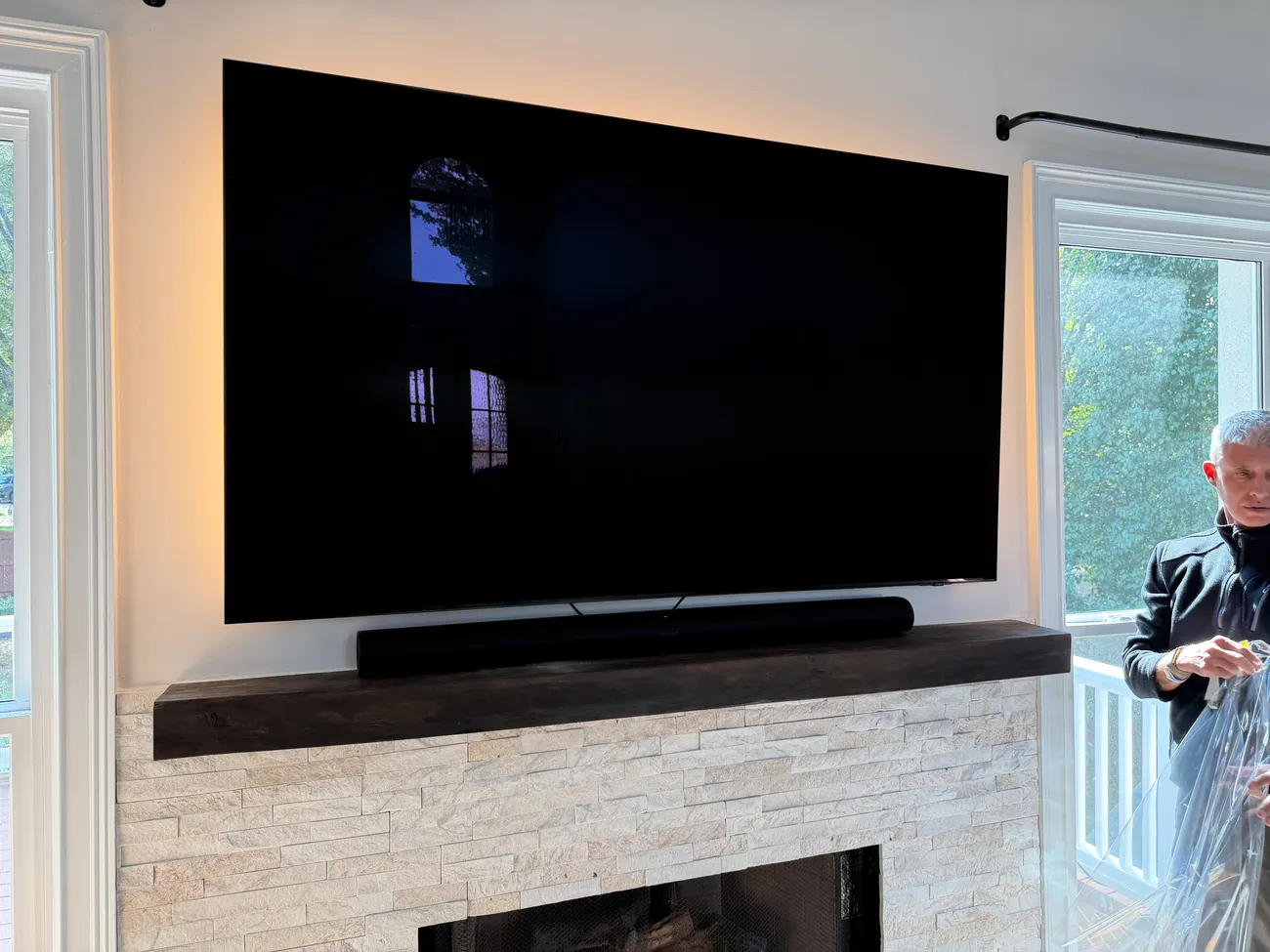
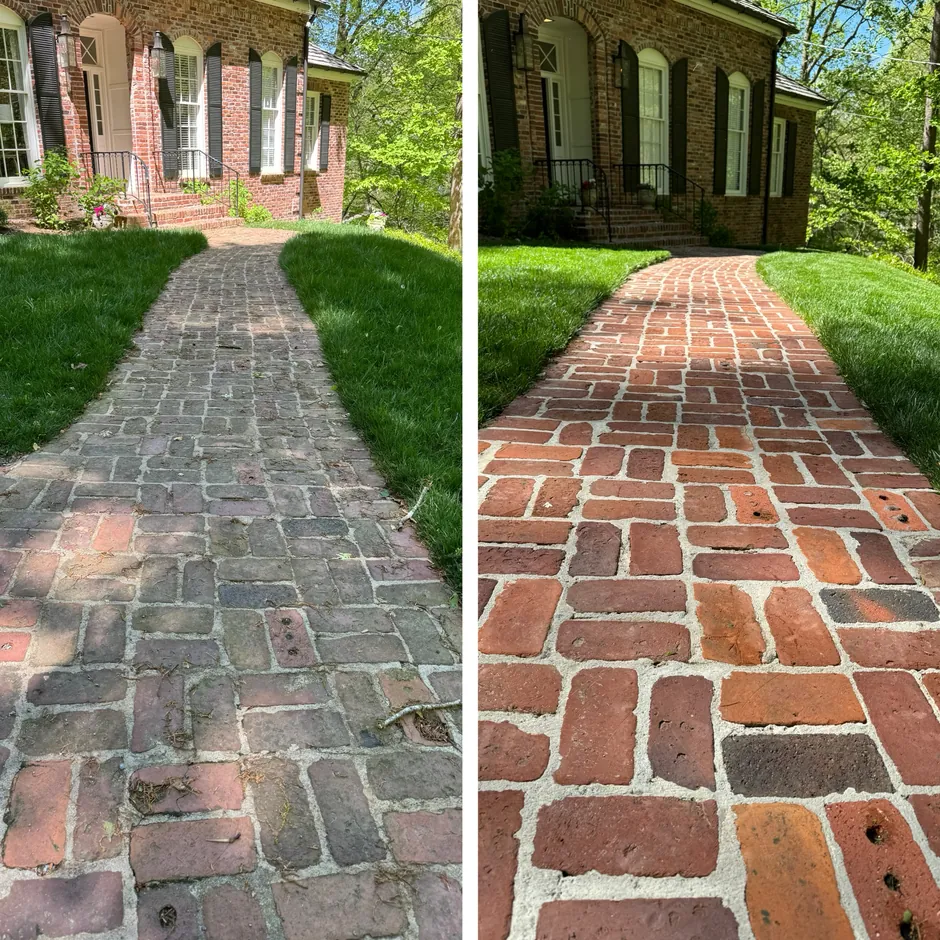
What do I do the other ten months? Stack it. Our lighting crew exists because the washing and mounting businesses already had the customers, the trucks, and the ladders. Read the pressure washing guide and the TV mounting guide for the year-round base.
LED or incandescent? LED commercial line, full stop: lower power draw lets you run longer chains on one circuit, bulbs last for seasons, and the colors stay consistent.
When should I buy product? Order by early October. Commercial suppliers run out during the exact weeks you need inventory, every single year.
Questions we did not cover? Send them through and we will add the answers.