We run a pressure washing and exterior cleaning business in metro Atlanta. This guide is the version of our first year we wish someone had handed us: what the gear really costs, what customers really pay, and where the money leaks out.
Pressure washing is the lowest barrier to entry of any hustle we operate. The work is visible from the street, the before-and-after photos sell themselves, and a single Saturday of booked jobs can cover your machine. It is also physical, weather-dependent, and easy to underprice. All of that is below.
Why pressure washing works as a first hustle
Three reasons this one keeps producing new operators:
- The demand is boring and constant. Driveways go green in the South every single year. Gutters streak, siding grows algae, decks gray out. Nobody wants to do it themselves in July.
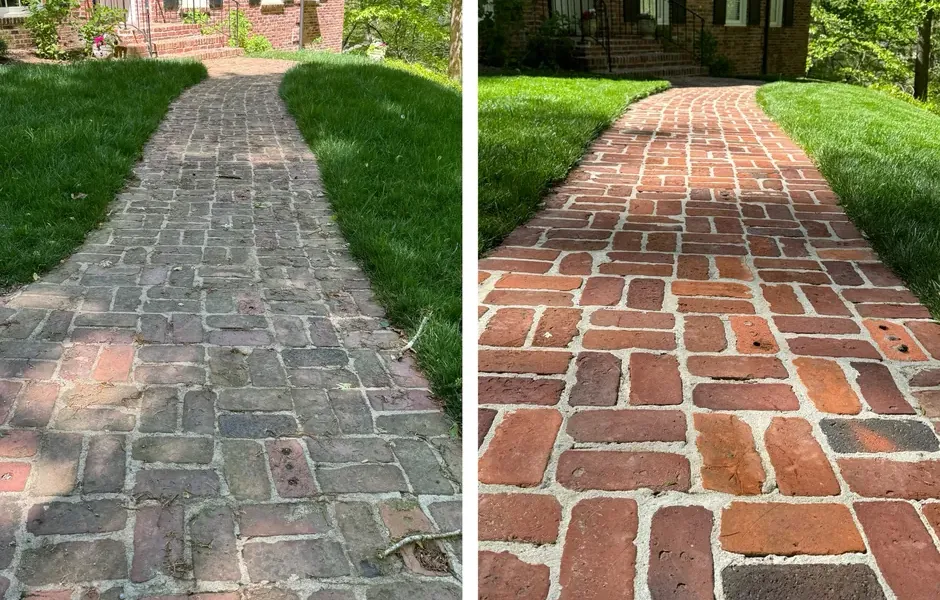
- Results are instant and visual. A half-cleaned driveway is the best ad in the neighborhood. You will get walk-up quotes while the machine is still running. It happens to our crew constantly.
- The startup budget is a used-car payment, not a franchise fee. A capable starter rig lands under $2,000. The pro setup can wait until the schedule fills.
The honest downsides: your body is the engine, rain reshuffles your week, and winter slows residential demand in most markets. Operators who last treat it as a seasonal rhythm, not a defect.
Startup costs: the real numbers
You can start three ways. We have watched all three work, and we started closest to Tier 1.
| Tier | Setup | Budget | Who it fits |
|---|---|---|---|
| 1. Prove it | Capable consumer gas machine, 25 ft surface cleaner hose setup, basic nozzles, one 5 gal jug of house wash mix | $600 to $1,000 | You want paid proof before real investment |
| 2. Weekend business | 4 GPM belt-drive or quality direct-drive machine, 15 to 20 inch surface cleaner, 100 ft hose, downstream injector, PPE | $1,800 to $3,000 | You are booking most weekends |
| 3. Full rig | 5.5+ GPM machine, trailer or truck skid, tank, reels, ladder, full chem setup | $6,000 to $12,000 | The schedule already demands it |
The single most important number on a machine is GPM (gallons per minute), not PSI. Marketing screams PSI because big numbers sell, but flow is what rinses a driveway fast. A 4 GPM machine cleans roughly twice as fast as a 2 GPM machine at the same PSI, and speed is money when you price flat rates.
The full spec breakdown, tier by tier, is in our pressure washing equipment guide.
Two non-gear costs people skip and regret:
- General liability insurance. Typically $40 to $90 a month for a solo operator. You are spraying water at 3,000+ PSI next to windows, cars, and pets. One mistake without coverage can end the business and then some.
- A basic business license. Most cities charge a modest annual fee. Ten minutes on your city’s website beats a fine and a shutdown notice later.
What to charge
Underpricing is the number one way new washers die. They price against their own hourly guilt instead of the market, win every quote, and burn out doing $99 driveways.
Typical residential pricing in our market (metro Atlanta) looks like this. Yours will differ; the structure will not:
| Job | Typical range | Time once competent |
|---|---|---|
| Driveway (2 car) | $150 to $250 | 45 to 90 min |
| House soft wash (1 story) | $250 to $400 | 2 to 3 hours |
| House soft wash (2 story) | $350 to $600 | 3 to 4 hours |
| Deck or patio | $120 to $300 | 1 to 2 hours |
| Driveway + house combo | $400 to $700 | Half day |
Three pricing rules we follow:
- Flat rate, quoted from photos or a drive-by. Customers hate hourly. Flat rates reward you for getting faster, and you will get much faster.
- Bundle everything. The driveway customer should always hear a combo price for house, gutters brightened, and walkway. Average ticket is the whole game: getting to the property is the expensive part, spraying more of it is nearly free.
- Never be the cheapest. Call three established competitors for quotes on your own house. Price in the middle of that range. The cheapest guy in town is booked solid and broke.
A realistic weekend month once you are rolling: 6 to 10 jobs at a $250 to $400 average ticket. Do that math before you decide this is beneath your day job.
Landing the first five customers
Nobody hires a washer with zero photos, so manufacture the photos:
- Do your own property first, corner to corner, and shoot everything. Driveway halves mid-clean, gutter lines, the works.
- Two neighbors at a friendly discount in exchange for a review and photo rights. Not free: free work gets treated like free work.
- Post the before-and-afters on your street’s group chat, Nextdoor, and Facebook neighborhood groups with a plain offer and a real price. Visual trades live and die on these platforms.
- Ten doors around every finished job. Same street, machine still on the trailer. “Just finished the gray house on the corner, driveway looked like yours does. It runs $200 if you want on the schedule.” Highest-converting hour in the business.
- Google Business Profile from day one. Free, and the review engine that compounds. Ask every happy customer on the spot with the link ready to text.
The mistakes that cost us money
Learn these on our tuition instead of yours:
- Spraying siding at driveway pressure. Vinyl siding, window screens, and wood get destroyed by narrow tips up close. Houses get washed with low pressure and the right cleaning mix doing the work. The technique is called soft washing; learn it before you touch a house.
- Skipping the surface cleaner. Wand-only driveways leave zebra striping and take triple the time. The surface cleaner is the single highest-ROI attachment you will buy.
- No downstream injector. Trying to scrub organic growth off with pressure alone wastes hours. The mix kills it; the water rinses it.
- Booking without a rain plan. Set the expectation up front: rain moves the job to the named backup day. Customers accept weather; they do not accept silence.
- Quoting stains you cannot fix. Oil shadows, rust, and irrigation staining need specialty treatment and honesty. “That will lighten but not vanish” saves the review before it is written.
Your first-month checklist
- Read the equipment guide and buy your tier. Resist tier envy.
- Get the license and the insurance quote the same week.
- Wash your own property until your passes are even and your setup time is under 15 minutes.
- Two discounted neighbor jobs, photographed properly.
- Post, knock ten doors, open the Google profile.
- Quote everything at real prices from week one.
Common questions
Can I start with an electric pressure washer? For paid driveway work, gas is the floor. Electric machines top out around 1.2 to 2 GPM and turn a 1-hour job into 3. Fine for your own patio, brutal for a business.
Do I need a truck? A hatchback can technically haul a Tier 1 setup, but a pickup, SUV, or small trailer makes the business feel like one. You also need water access on site; almost every residential job uses the customer’s spigot.
Is the market saturated? Every market has washers; almost none have washers who answer the phone, show up when they said, and send a written quote. The bar is operational, not technical. Clear it and you will be booked.
When do I quit my day job? When three months of weekend revenue would cover your bills at 60 percent booking. Not before. The business should pull you out, not push you off a ledge.
Questions this guide did not answer? Send them through and we will fold the answer in.