Pressure Washing as a Side Hustle
We run a pressure washing company in metro Atlanta, so this page comes from invoices, not imagination. The short version: high demand that renews every spring, a startup cost under $2,000 for a real setup, and physical outdoor work that pays by the driveway. Below are the honest numbers and the two kinds of people this hustle rewards.
- Startup cost
- $600 to $3,000
- Typical earnings
- $150 to $250 per driveway; $400 to $700 for house combos
- Source: our metro Atlanta rate card
- Time to first dollar
- One booked weekend
The verdict first
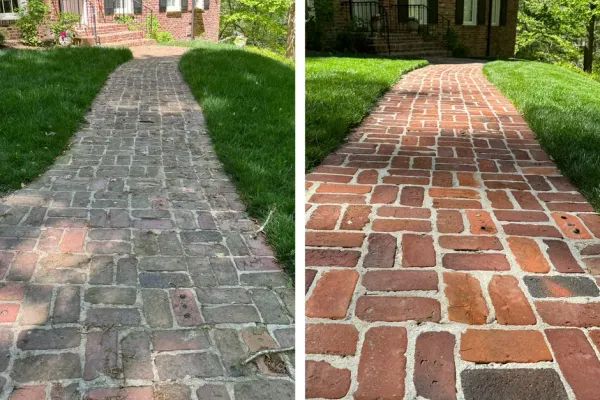
Pressure washing is the hustle we recommend most often to first-timers with a free weekend, a vehicle that can haul gear, and a tolerance for sweat. The startup cost is a used-couch number, not a franchise fee. Demand is boring and constant. And the results are so visible that a single half-finished driveway sells the neighbors without you saying a word.
It is not for everyone, and the honest cases against it sit further down this page.
What the money actually looks like
These figures come from our own metro Atlanta rate card, the one our crew quotes from every week. Your market will shift the numbers; the structure holds anywhere.
| Job | What we charge | Time once competent |
|---|---|---|
| Two-car driveway | $150 to $250 | 45 to 90 minutes |
| House soft wash | $250 to $600 by size | 2 to 4 hours |
| Driveway plus house combo | $400 to $700 | Half a day |
Quick math on a modest weekend pace: six jobs a month at a $300 average ticket is $1,800 gross. Fuel, cleaning mix, and insurance take maybe $250 of that. The gear pays for itself in the first four to eight jobs, and after that the margin belongs to your schedule.
The ceiling is real but far away. Solo operators who go full time in strong markets book $8,000 to $15,000 months in season. That level demands route density, a bigger machine, and treating it like a company instead of a Saturday.
Who this fits
You want outdoor, physical, visible work with a fast feedback loop. You can lift a 100-pound machine into a truck bed, or you have a trailer. You would rather knock ten doors after a job than run ads. Weekend mornings are available from spring to fall, and losing one to rain does not wreck you.
Who should pick something else
Skip this one if your body says no to hours of standing on wet concrete, if you have no way to haul a machine and hoses, or if your free time lands mostly on weeknights after dark. If you want income in January as badly as July, either pair it with a winter hustle or look at an indoor option like TV mounting.
What the work is really like
A driveway job is a rhythm: setup, pre-treat the organic growth, run the surface cleaner in slow overlapping passes, rinse, detail the edges with a wand, pack up. The machine does the cleaning. You do the walking, and by the third job of the day your legs know it.
The part nobody warns you about is water logistics. You run off the customer’s spigot, which means checking their flow before you quote, and a house with low pressure can slow the whole visit. The second surprise is chemistry: driveways need pressure, but siding gets cleaned with a low-pressure mix, and confusing the two is how new operators buy someone a window screen. Our full guide covers both before your first paid job.
The three-tier buy-in
Startup cost depends on which tier you enter at, and we have watched all three work:
- Prove it, under $1,000. Consumer gas machine, entry surface cleaner, basic nozzles. Slow but real.
- Weekend business, $1,800 to $3,000. A 4 GPM machine, 15 to 20 inch surface cleaner, 100 feet of hose, downstream injector, proper safety gear. This is the tier most people should target, and most of it comes back in the first month of booked weekends.
- Full rig, $6,000 and up. Trailer, tank, reels, 5.5+ GPM belt drive. Buy this when the calendar forces you to, not before.
The starter kit page breaks down every component with the specs that matter, starting with why gallons per minute beats PSI.
Your next step
Read our full startup guide for pricing rules, the first-five-customers playbook, and the mistakes that cost us real money. Then price the gear, pick a tier, and go quote three driveways. This hustle rewards the person who starts before they feel ready.